Dispatcher::createUrl() miss required parameter "sb_category" for route "module-ph_simpleblog-single" The Beauty of Free Play | Why Open-Ended Play Matters | ooh noo - ooh noo

The Beauty of Free Play

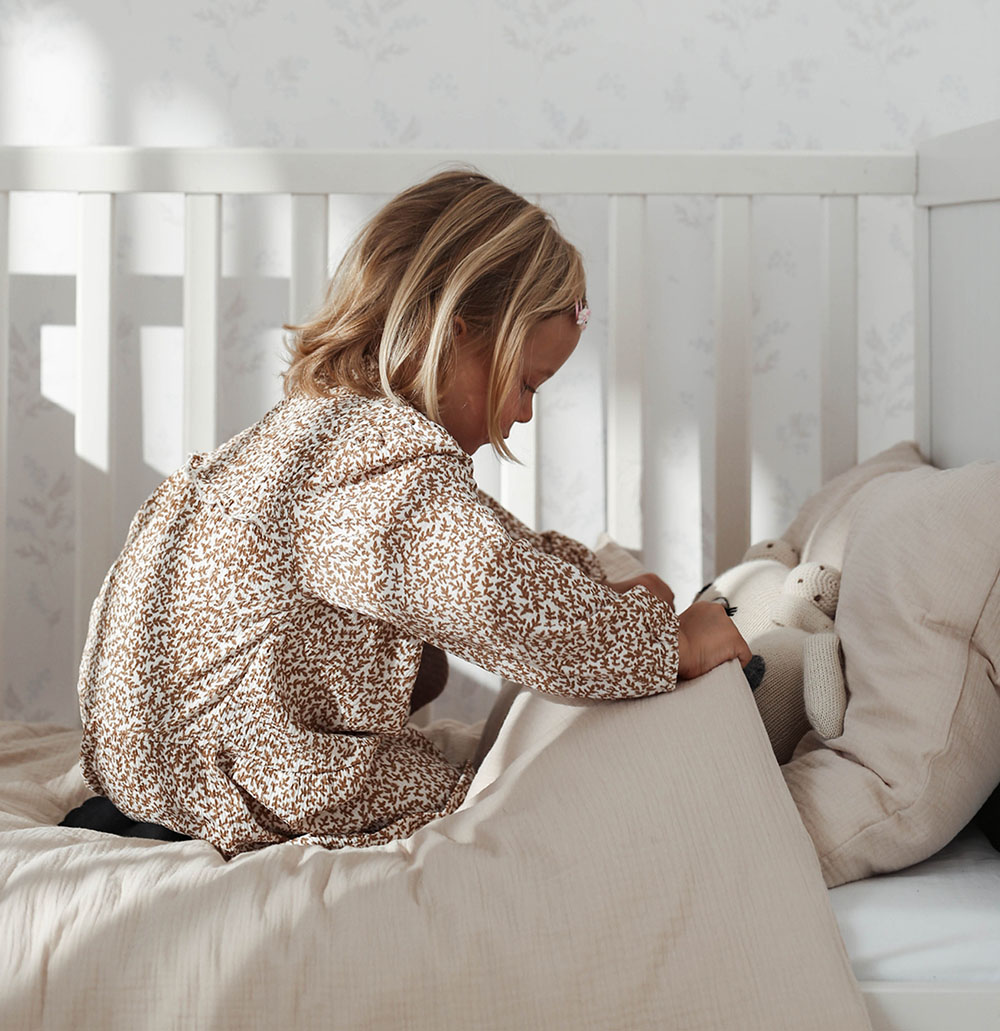
There are moments in childhood when nothing seems to be happening. A child quietly moves objects from one place to another, builds a small tower, watches it fall, and begins again. To an adult, it may look simple. To a child, it is meaningful. Free play is where curiosity takes the lead, and every small discovery becomes part of learning.


Following Curiosity

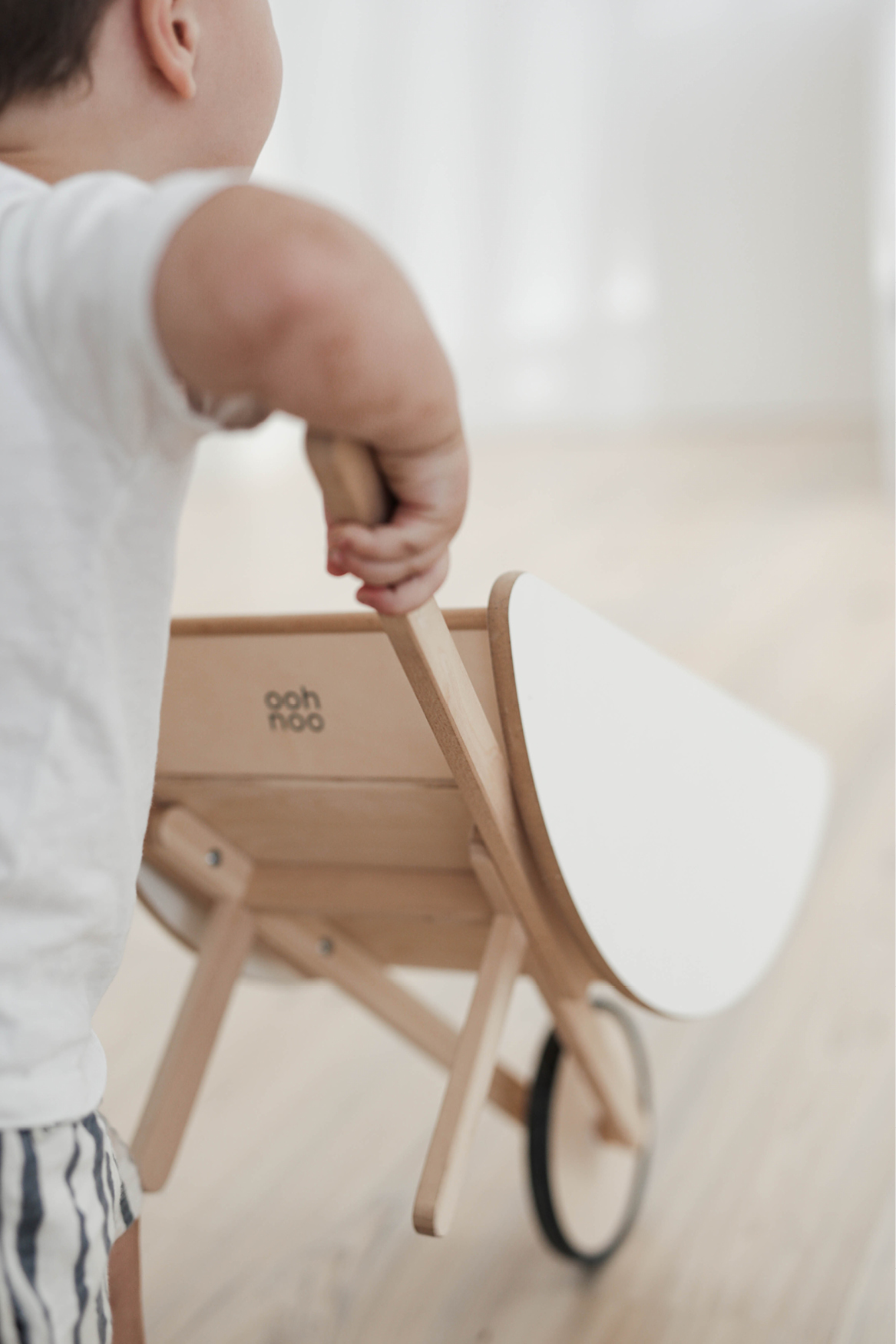
Children are naturally drawn to explore. They touch, stack, sort, carry, build, and imagine—not because someone asks them to, but because they want to understand the world around them.

In free play, there is no right or wrong outcome. Every choice belongs to the child, allowing confidence and independence to grow naturally.

The Value of Unstructured Time

Not every moment needs to be planned.

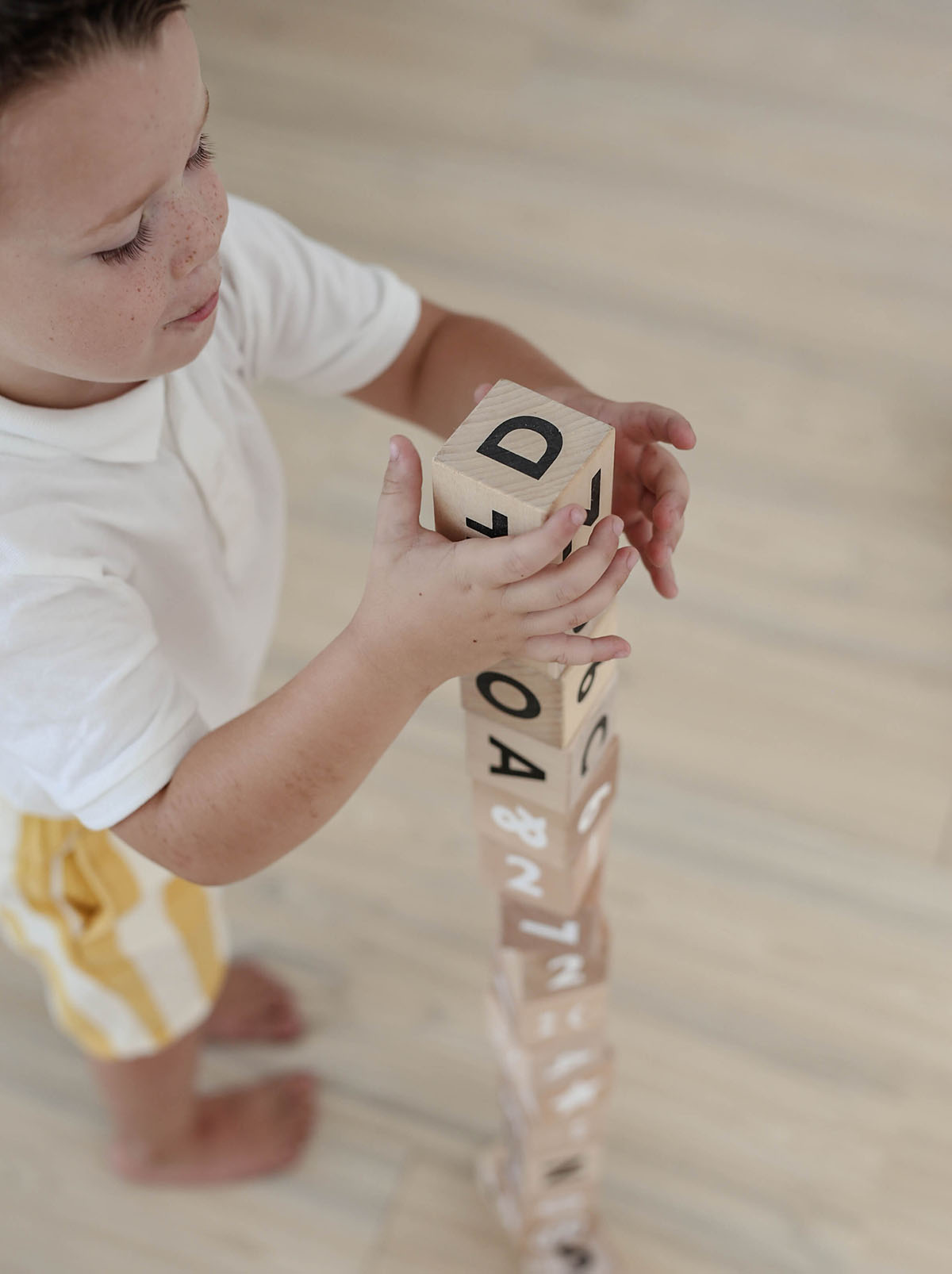
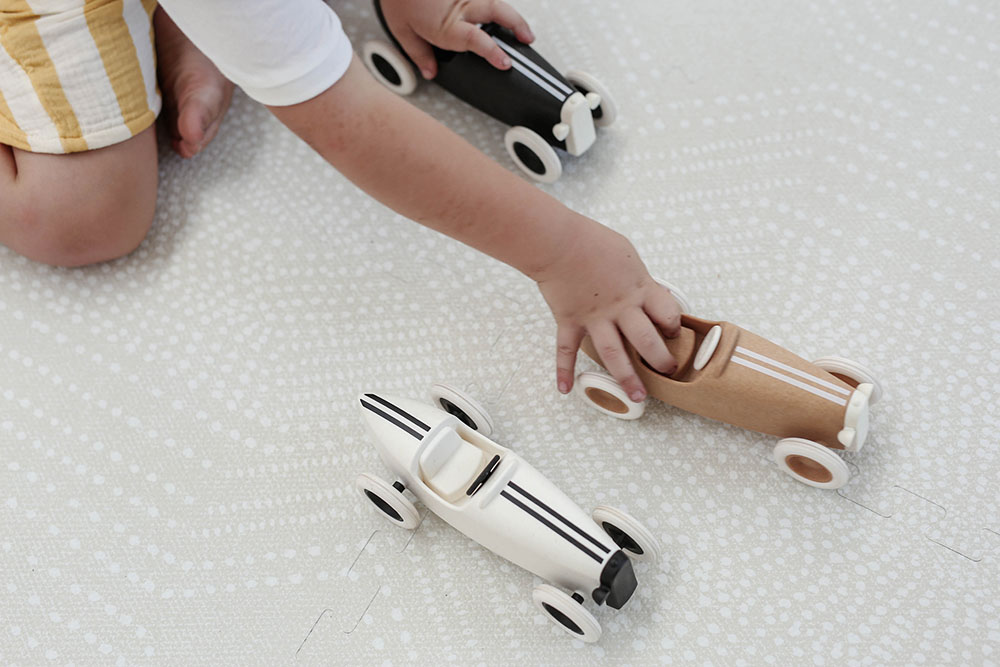
When children are given time without instructions or expectations, they begin creating their own ideas. A wooden block becomes a bridge. A basket becomes a boat. A few simple objects become an entire world. It is often in these quiet moments that creativity flourishes.


Simple Objects, Endless Possibilities

Children rarely need complicated toys to create meaningful play.

Open-ended objects invite them to decide what something will become instead of telling them how it should be used. This freedom encourages imagination, problem-solving, and the joy of discovering new possibilities every day. The simpler the object, the more space there is for creativity.

Learning Without Realising

Free play supports far more than imagination.

As children build, sort, carry, pretend, and repeat familiar actions, they develop concentration, coordination, communication, and confidence. They learn to solve small challenges, express emotions, and make sense of everyday experiences—all through play. For children, learning and playing are never separate.


Growing at Their Own Pace

Every child plays differently.

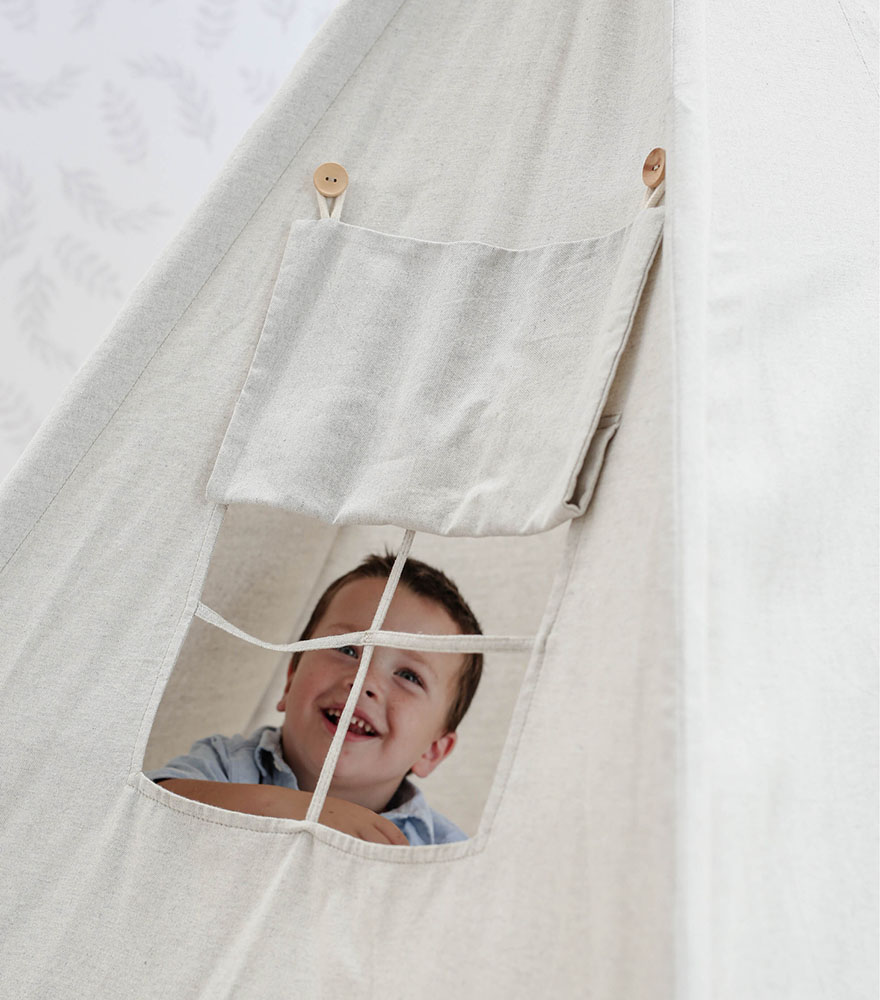
Some enjoy building for long periods, while others move quickly from one idea to the next. Some prefer quiet play alone, while others create stories together with siblings or friends. There is no perfect way to play. What matters most is giving children the freedom to follow their own rhythm.

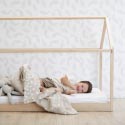
Space to Simply Be

Perhaps the greatest gift we can give children is not another activity, but time and space.

Space to imagine. Space to explore. Space to make mistakes, begin again, and discover the world in their own way. Because free play is never just play. It is one of the quiet ways childhood unfolds.

Comments (0)

No comments at this moment
Product added to wishlist